


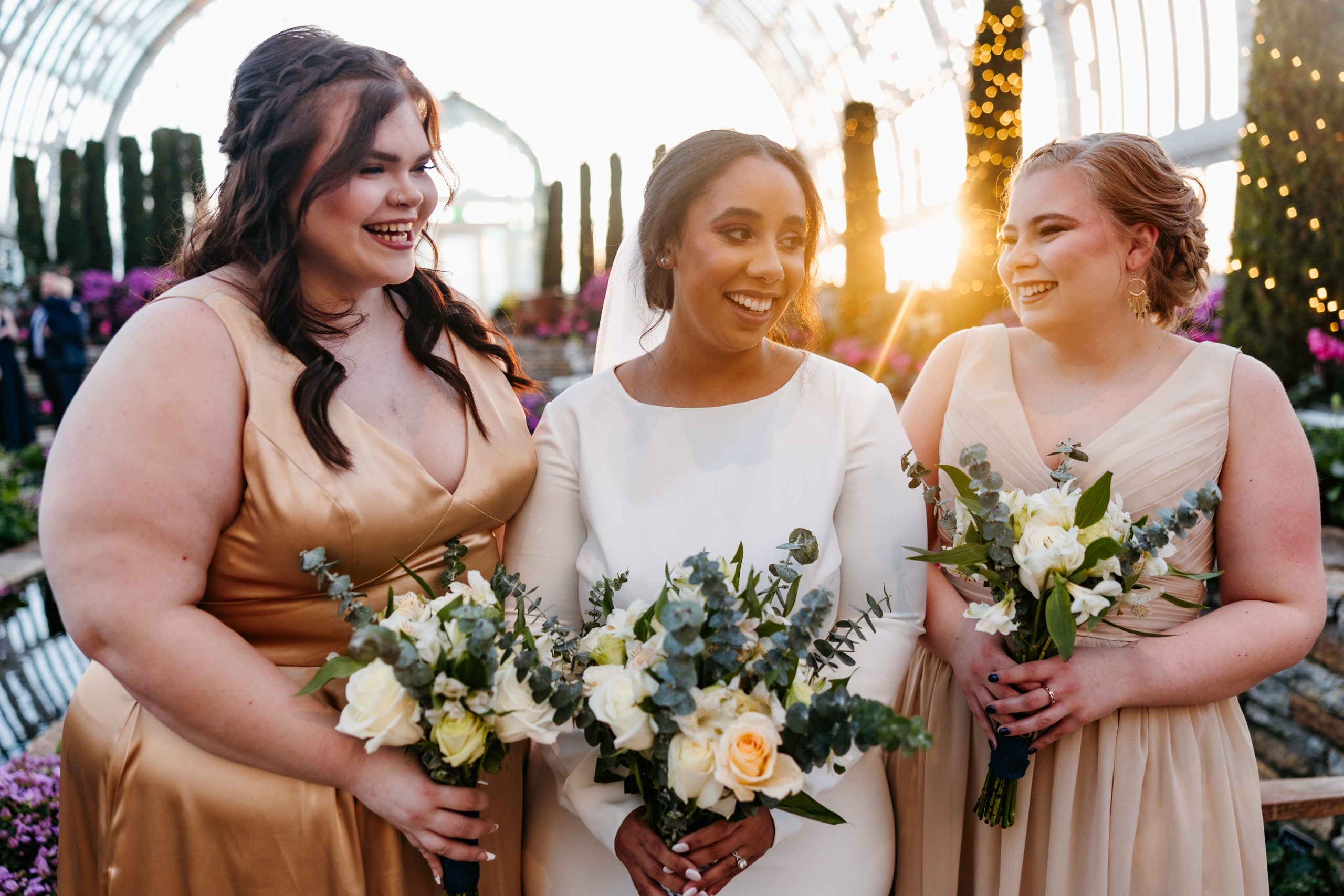
While every wedding is different, I’ve found a 10-hour wedding timeline is often the sweet spot for a photography —especially for couples who want their day to feel relaxed, intentional, and fully experienced.
As a wedding photographer based in Minneapolis, my approach is centered around candid, meaningful moments. And the truth is the more space you have in your timeline, the more natural your day feels. And as all of my couples have heard me say way too many times, I truly believe the photos are only beautiful because the moments were, too.
Why 10 Hours Makes Such a Big Difference
A shorter timeline can absolutely work—but it often comes with tradeoffs:
- Rushing through getting ready
- Limited time for portraits
- Skipping quiet, in-between moments
- Ending coverage before the energy of the reception really builds
With 10 hours, everything shifts. You gain:
- A slower, more intentional start to your day
- Flexibility for travel between locations
- Time for both candid and lightly guided portraits
- Space for sunset photos and reception moments
It allows your wedding to feel like a full story—not just a highlight reel.
The Foundation of a Relaxed, Candid Wedding Day
If your goal is candid photography, your timeline matters more than anything else. Real moments don’t happen when you’re:
- Watching the clock
- Moving quickly from one thing to the next
- Trying to squeeze everything into tight windows
They happen when you have:
- Time to pause
- Space to interact naturally
- Freedom to just be together
This is why I don’t just show up on your wedding day—I help you build a timeline that supports this kind of experience from the beginning.
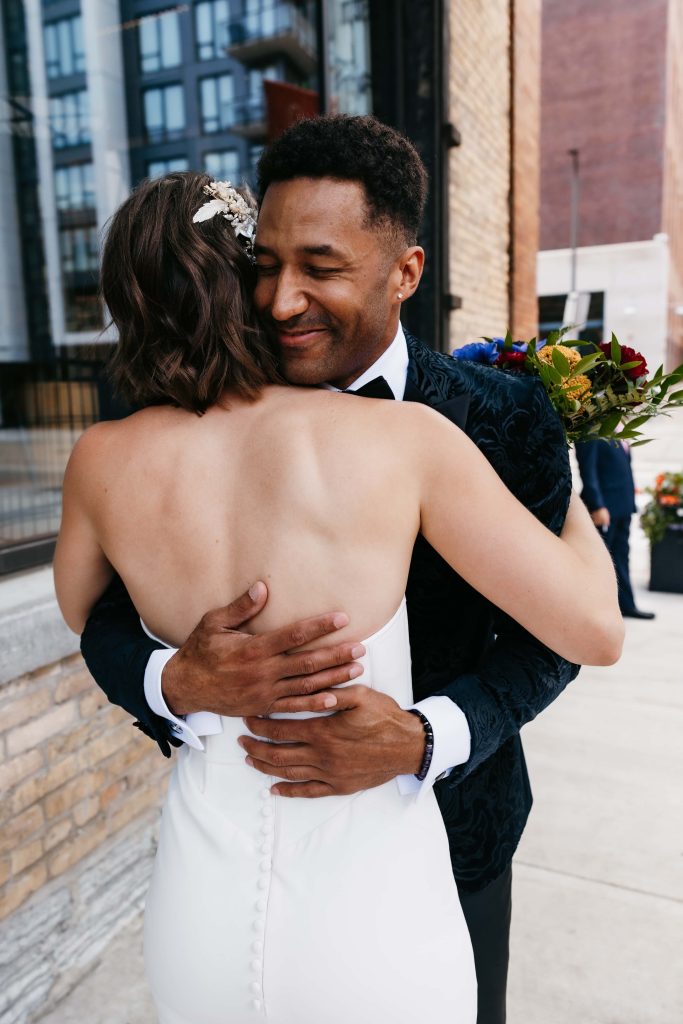

Example 10-Hour Wedding Timeline (With Travel + First Look)
Here’s an example of a 10-hour wedding day that includes multiple locations and a first look:
11:00 am – Candid getting ready photos & detail photos
12:00 pm – First look with parents and/or wedding party
12:30 pm – Travel to photo location
12:45 pm – First look with couple
1:45 pm – Wedding party formal photos
2:15 pm – Family formal photos
2:45 pm – Travel to ceremony location
3:00 pm – Break before ceremony (reset, freshen up, relax)
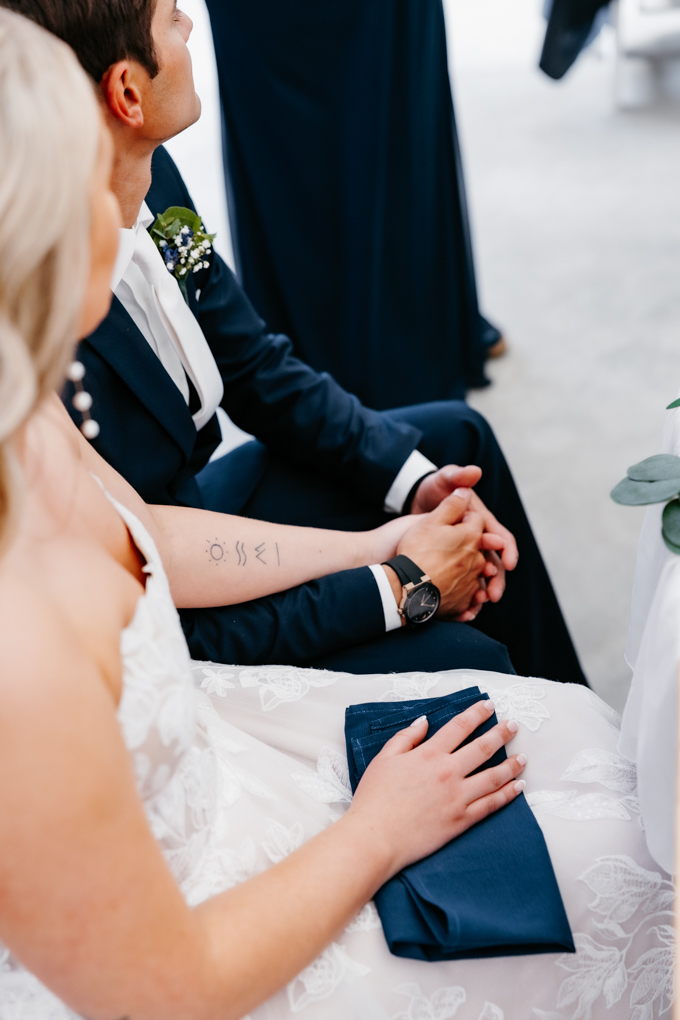
4:00 pm – Ceremony
4:30 pm – Cocktail hour + candid guest interactions
5:30 pm – Grand entrance
5:45 pm – Dinner & speeches
6:45 pm – First dance
7:15 pm – Sunset portraits (can adjust depending on time of year)
8:00 pm – Open dancing + reception coverage
9:00 pm – Coverage ends
Why this works:
The built-in travel time leaves space for any hiccups or delays, the true break before the ceremony means time to unwind, relax and go hide from guests to really amp up “oh damn we’re really doing this!” feeling. It also allows for plenty of time for reception photos, including sunset photos or other little pockets were we can pull you away for some quick portraits (and a little alone time amidst the party time chaos!)
Example 10-Hour Timeline (No First Look, More Traditional Flow)
Not every couple wants a first look—and that’s completely okay.
Here’s what a 10-hour day can look like without one:
11:30 am – Getting ready + detail photos
1:30 pm – Wedding party photos (separate)
2:30 pm – Hide away before ceremony
3:30 pm – Ceremony
4:00 pm – Cocktail hour begins
4:15 pm – Family formal photos and full wedding party photos
5:00 pm – Couple portraits
5:45 pm – Join cocktail hour / freshen up
6:15 pm – Grand entrance
6:30 pm – Dinner & speeches
7:30 pm – Sunset portraits
8:00 pm – First Dance
8:30 pm – Dancing + reception candids
9:30 pm – Coverage ends
Why this works:
If youre someone who wants to wait for your first look to be at the ceremony, this gives you perfect setup to get some of your formal photos done before the ceremony and optimize how much time you get to spend just enjoying the party! Most importantly, we’re avoiding the rushed feeling where you miss out on cocktail hour to cram in photos. This option still allows for relaxed portraits after you say I do and includes time for gorgeous sunset images and reception photos to boot.
What Adding More Time Actually Gives You
When you move from 8 hours to 10 hours, you’re not just adding coverage—you’re changing the experience of your day.
You gain:
- More opportunities for candid moments
- Flexibility if things run behind (they often do)
- Space to visit multiple locations
- Time for sunset portraits (some of the most beautiful light of the day)
- The ability to be present instead of rushed
It also allows me to document your wedding more like a story—capturing not just the big moments, but everything in between.
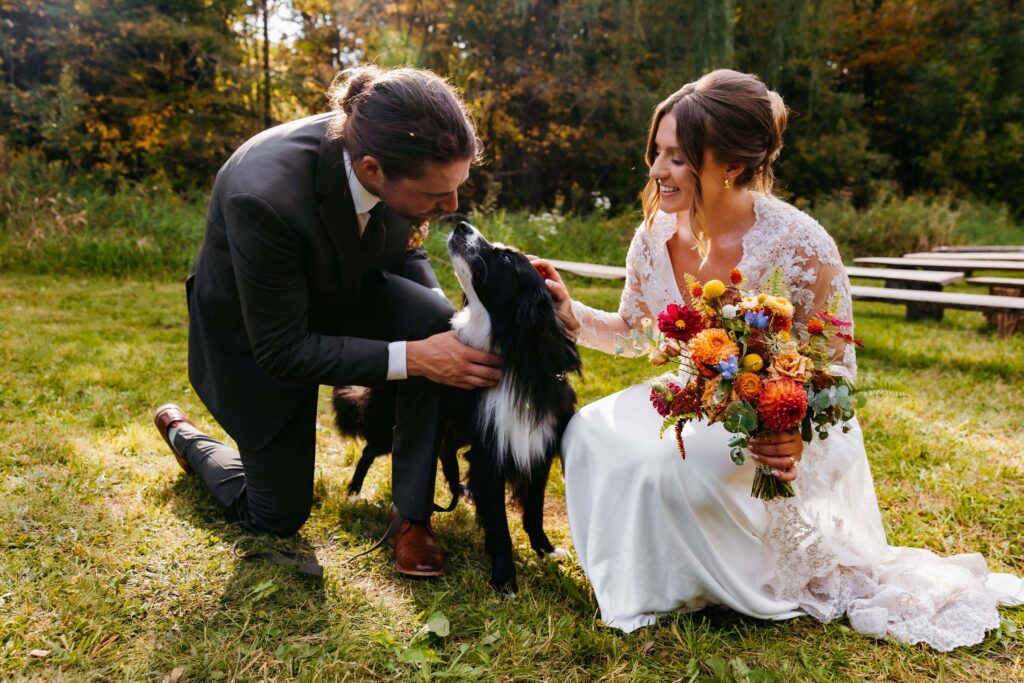
Creating Small, Meaningful Moments Throughout the Day
One of my favorite things about a well-built timeline is the ability to create small pockets of time throughout your day. These might look like:
- A quiet moment together after the ceremony
- A moment with your wedding party before the ceremony starts as you prepare to walk down the aisle
- A short walk during golden hour
- Stepping away from the reception for a breather
- A fun dance moment with your friend group to a throw back banger on the dancefloor, all caught on camera
These moments are often unplanned—but they become some of the most meaningful parts of your day. And naturally, they create the kind of images you’ll come back to again and again.
Why Your Photographer Should Help Build Your Timeline
Not all photographers take an active role in timeline planning—but it makes a huge difference when they do. Working with a photographer who understands changing lighting situations, how long photos actually take and how to manage emotions and prepare your people for success can make a huge difference. My goal as your photographer is obviously to make sure you’re getting the most beautiful, authentic images I can give you while also ensuring things run smoothly for a fun, enjoyable day for you.
The Role of a Planner or Coordinator
If you’re working with a wedding planner or day-of coordinator, it’s one of the best things you can do for your experience. I love collaborating with planners because it allows us to:
- Stay aligned on timing
- Adjust throughout the day
- Keep everything running smoothly behind the scenes
Whether you’re getting married in Minneapolis, St. Paul, or along the North Shore, having a strong team makes all the difference.
The Sweet Spot for Your Wedding Day
There’s no one “perfect” timeline—but there is a sweet spot. And for many couples, that’s 10 hours. It gives you:
- Space to breathe
- Time to connect
- Freedom to enjoy your day
And when your experience feels that good, your photos naturally follow. If you’re planning your wedding and want help building a timeline that feels relaxed, intentional, and centered around what matters most to you—I’d love to connect.


