


Wedding Timeline Planning Tips To Follow for a Relaxed Big Day
When it comes to wedding timeline planning, one of the biggest questions quickly becomes: “How do we build a wedding timeline that actually works?” And not just words on paper, but a structure for your day that allows you to feel present, relaxed, and able to fully experience your day.
As a wedding photographer based in Minneapolis, timeline planning is one of the most important (and most overlooked) parts of the entire process. It’s also one of the biggest factors in how your photos will feel. Because the truth is—your timeline doesn’t just dictate where you need to be. It shapes how your entire wedding day unfolds and has a huge impact on how you’ll feel.
Why Your Wedding Timeline Matters More Than You Think
A well-built timeline does more than keep things organized—it creates the space for your day to feel intentional instead of rushed. Without enough time, your wedding can start to feel like:
- Moving from one thing to the next
- Watching the clock
- Trying to “fit everything in”
With a thoughtful timeline, you get:
- Space to breathe
- Time to be present with each other
- Flexibility when things don’t go exactly as planned
- Natural, candid moments that don’t feel forced
And that shift makes a huge difference—not just in your experience, but in your photos.
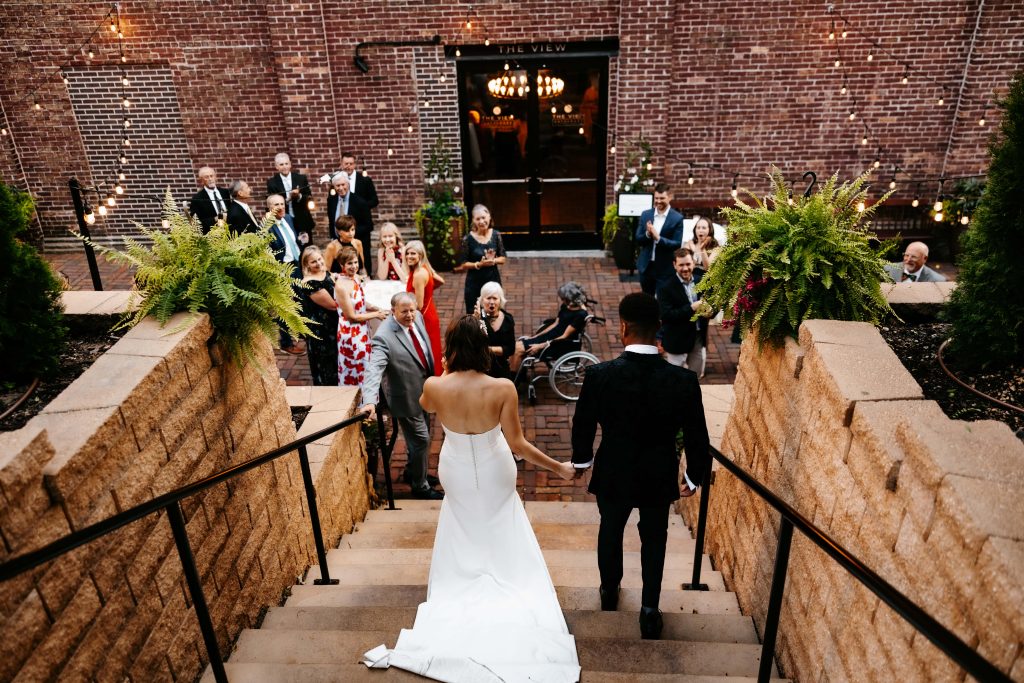
How I Help With Custom Wedding Timeline Planning
This is one of the biggest ways I support my couples. Rather than handing you a generic template, I take the time to understand:
- What moments matter most to you
- How you want your day to feel
- What you’re most excited about (and what you’re not)
From there, we build a timeline that reflects your priorities. For some couples, that means a slower morning with plenty of getting-ready coverage, extra time for portraits in multiple locations and a quiet moment together after the ceremony.
For others, it might mean maximizing time with guests, keeping things simple and low-pressure and building in flexibility throughout the day. You are unique and your wedding timeline should create space for what (and who) matters most to you. There’s no one-size-fits-all.
Using Wedding Timeline Planning to Create Space for Candid Moments
If you’ve been drawn to candid wedding photography, this part is especially important. Candid moments don’t happen on a tight, back-to-back schedule. They happen when you have:
- A few extra minutes after a moment instead of rushing away
- Time to walk, talk, and just be together
- Space to interact naturally instead of being directed the entire time
That’s why I intentionally build in pockets of time for portraits that don’t feel rushed, breathing room between major events and opportunities for you to step away and reset. This is where the magic happens—the in-between moments that you didn’t plan, but end up meaning the most.
Why 8+ Hours of Coverage Makes a Difference
One of the biggest reasons I recommend a minimum of eight hours of coverage is that it directly impacts your timeline, how you’re feeling on the big day and your overall experience. When you have enough coverage, you’re not cramming everything in and don’t have to choose between space to enjoy the day and getting all the photos you love. The more relaxed you are, the better more you get to be in the moment on the big day and the more beautiful the photos we create are.
If your wedding timeline planning only accounts for six hours, for example, that time will almost entirely be used for ceremony, formal family photos and formal wedding party photos, and a little bit of time for some ceremony photos. In almost every case, it means very little time for photos of you getting ready or of your reception (including first dance!) It also often means pushing all of those moments even closer together, often creating stress and less time for the candid, quiet moments for you to just be with your new spouse.

The Value of a Wedding Planner or Day-Of Coordinator
If there’s one thing that can elevate your entire experience, it’s having a planner or coordinator. While a venue coordinator can be a great asset, keep in mind their job is to support your reception venue, NOT to help you throughout the day, work on your full timeline or keep you on track on the big day. They have a specific and important part in the wedding timeline planning process, but aren’t a replacement for a wedding planner or day-or coordinator.
A great planner keeps the day running smoothly and handles all the logistics. They obviously have their roles in helping with setup and vendor coordination too!
And from a photography perspective, it makes a huge difference. I love working alongside planners (and all of your wedding vendors!) because it allows us to stay aligned on timing and gives me the space to do my best work, simply working as your photographer.
Whether you’re getting married in Minneapolis, St. Paul, or planning something along the North Shore, having a strong team in place helps to keep your wedding timeline planning and actual day-of run seamlessly.
Final Thoughts: Building a Timeline That Works for You
Your wedding timeline planning shouldn’t be something you stress over—it should be something that supports you.
When it’s built intentionally:
- You feel more present
- Your day feels more relaxed
- Your photos feel more like you
And that’s always the goal. If you’re looking for a photographer who can help with your wedding timeline planning in Minneapolis or anywhere in Minnesota and want help building a timeline that allows for real, meaningful moments, I’d love to connect.
Fill out this quick form to see if I’m available on your wedding day!


